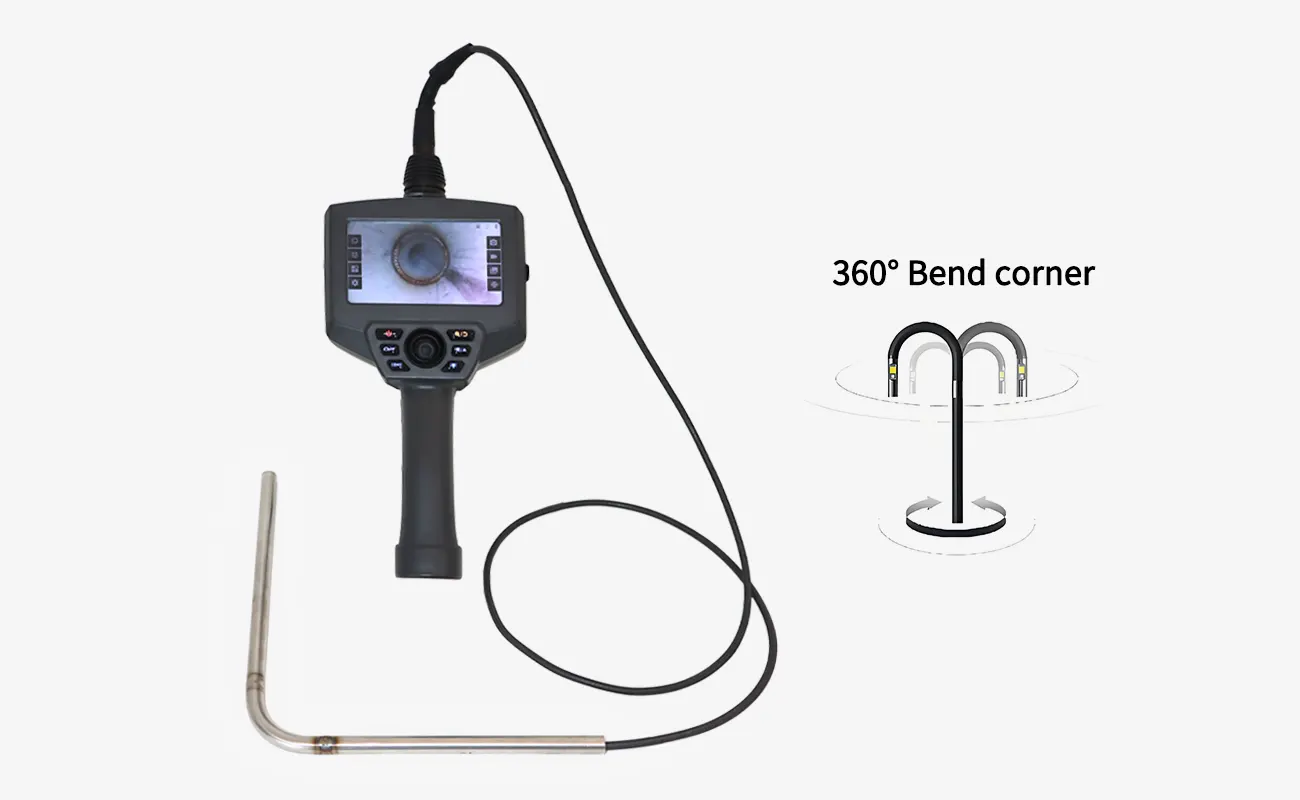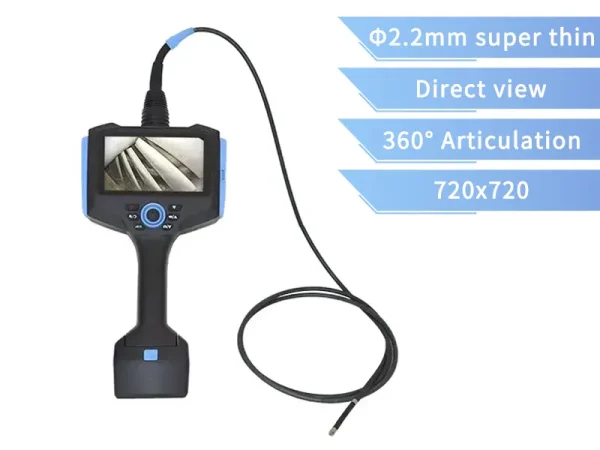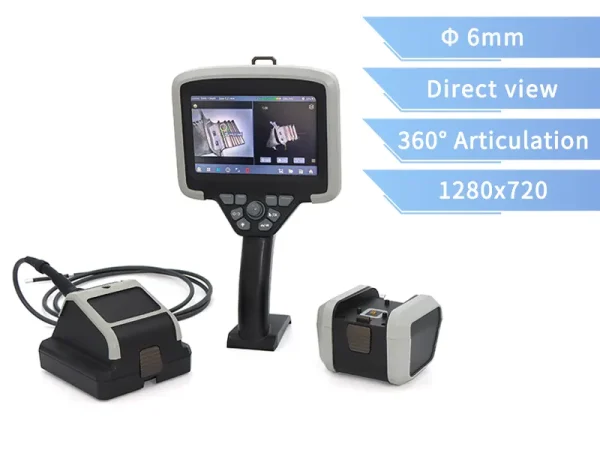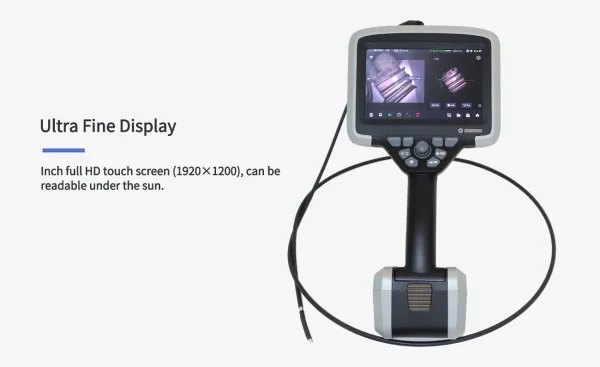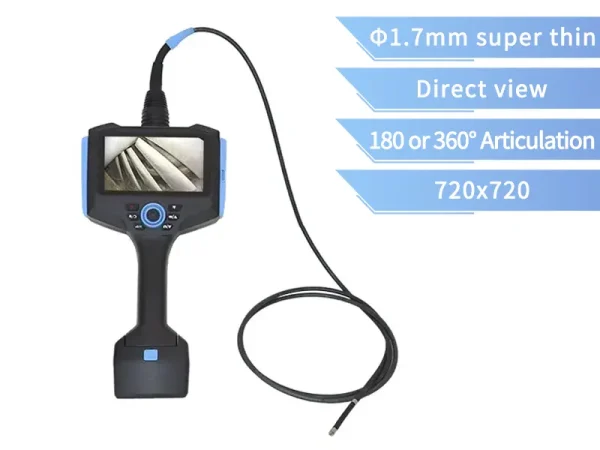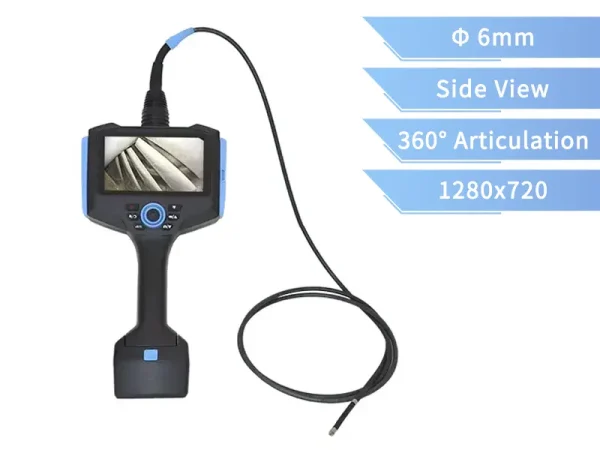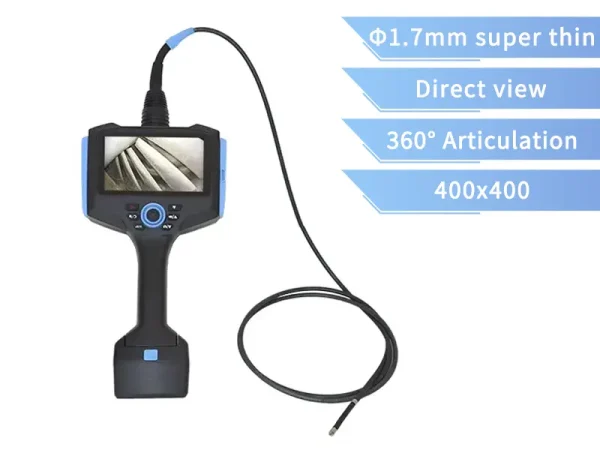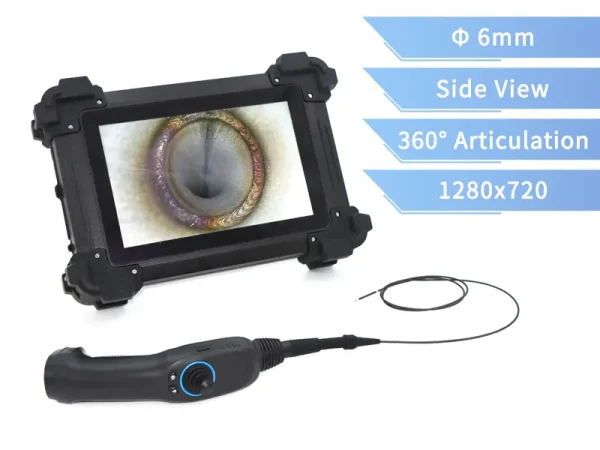

In archaeological excavation, "the unknown" is one of the greatest challenges. Opening a sealed tomb or chamber that has remained untouched for millennia without prior knowledge risks exposing fragile artifacts to sudden environmental changes—potentially causing irreversible damage.
The value of industrial endoscopy lies in providing archaeologists with a pair of "non-invasive eyes"—allowing them to gather critical intelligence without disturbing the site.
Classic Case: The Zhang Anshi Family Tomb (Western Han Dynasty, 2011)
When investigating the M1 tomb—the only undisturbed burial in the entire family cemetery—the archaeological team created only a small gap between the sealing bricks of the side chamber. A probe with a diameter of just 8mm was carefully inserted, enabling 360° panoramic viewing.
Real-time images transmitted back delivered decisive insights:
✅ Confirmed the tomb remained untouched, preserving original integrity
✅ Revealed remarkably well-preserved lacquerware with vermilion cloud motifs—extremely rare in northern China
✅ Identified metal rings (likely bronze or silver) and fully carbonized bamboo objects
Armed with this intelligence, the team developed detailed conservation protocols—including protective chemical sprays and temporary shelters—before even opening the chamber, marking a paradigm shift from "emergency salvage" to "preventive protection."
From Case Study to Standard Practice
Today, companies like Kunscope are advancing this technology further. Their T3 series 3D measurement endoscopes, equipped with high-precision three-dimensional measurement and AI-driven recognition, are already widely used in aerospace, petrochemical, and other demanding industries. When applied to archaeology, these capabilities transform detection from mere "visual observation" into "precise quantification" and "intelligent analysis"—achieving a more scientific balance between preservation and exploration.
Copyright 2025 Zhongke Intelligent(Wuxi) Technology Co.,Ltd(Kunscope) All Right Reserved.